A series from 1944 Publishing
Coloring History
Look closer.
Coloring History is a series for people who want to look at the past properly. Every plate is drawn from the real thing, with the detail left in. Every one carries a short note on what you are looking at and why it mattered. You don’t need to know anything to start. You will know something by the time you finish.
The series
Three books, out this November
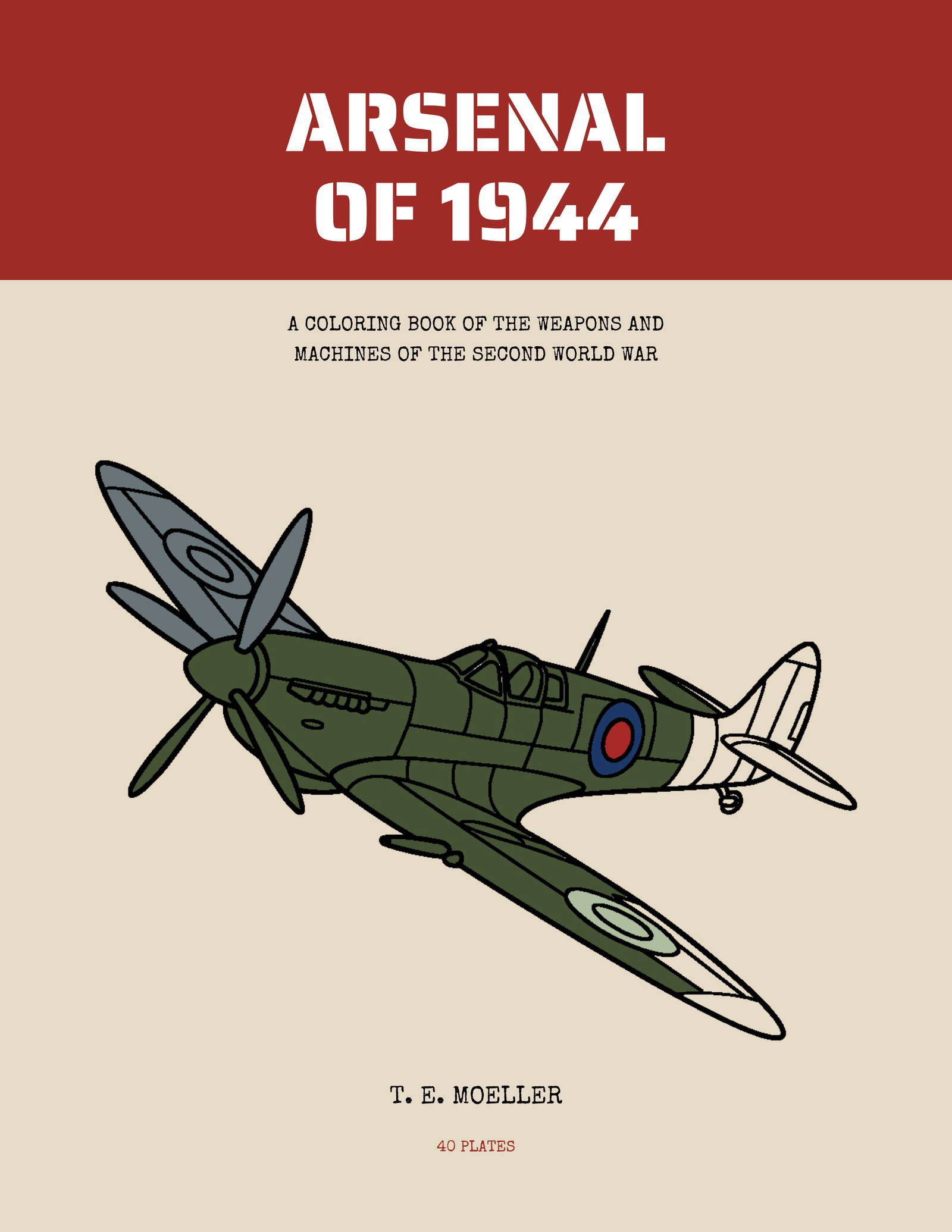
Book one · November 1, 2026
Arsenal of 1944
A Coloring Book of the Weapons and Machines of the Second World War. Forty machines, drawn one at a time and left unsimplified: the tank, the fighter, the landing craft, the rifle.
40 plates · 88 pages · 8.5 × 11 in
ISBN 979-8-9960917-1-3
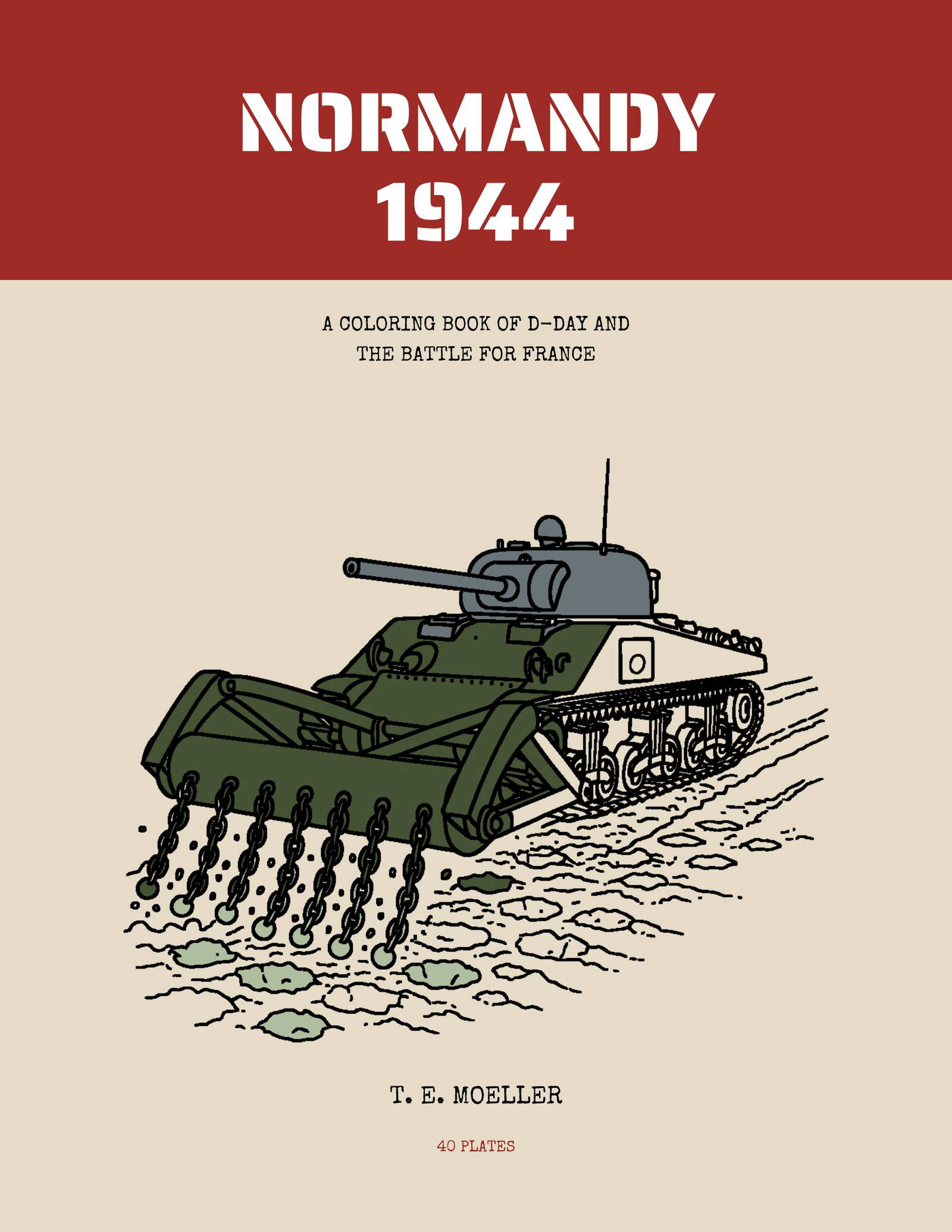
Book two · November 1, 2026
Normandy 1944
A Coloring Book of D-Day and the Battle for France. One campaign told in order, from the map room at Southwick House to the Falaise road — forty scenes rather than forty objects.
40 plates · 102 pages · 8.5 × 11 in
ISBN 979-8-9960917-2-0
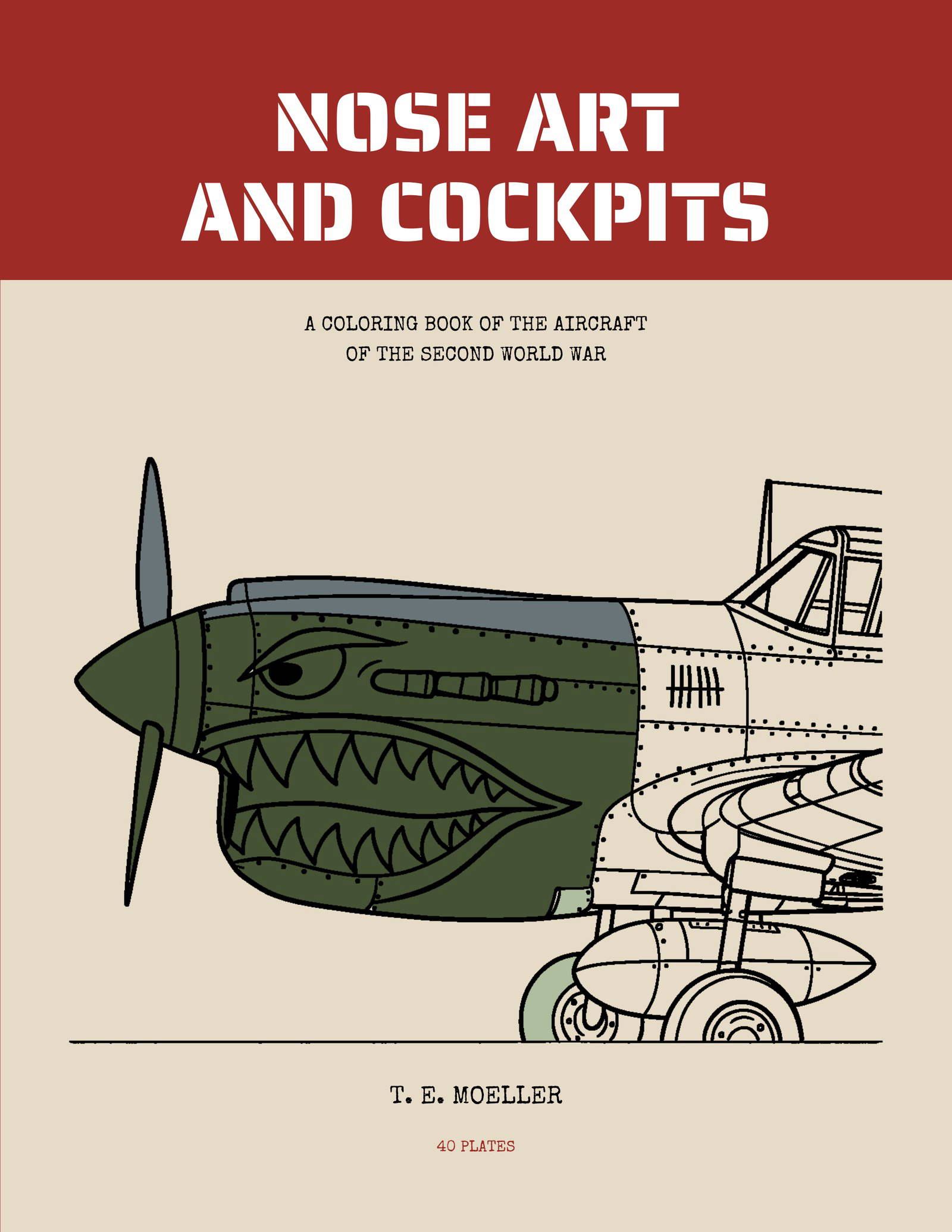
Book three · November 8, 2026
Nose Art and Cockpits
A Coloring Book of the Aircraft of the Second World War. Twenty aircraft, two plates each: the nose art it wore and the instrument panel its pilot looked at.
40 plates · 100 pages · 8.5 × 11 in
ISBN 979-8-9960917-3-7
What every book keeps
The same four things, every book
Drawn from the real thing. Accurate detail, nothing simplified away to make the coloring easier.
Something to learn on every plate. A short, true note about what you are looking at. Never filler.
Printed one side only. The blank page behind every drawing is a promise, not a cost saving.
Both sides of the story. Not only the winners, and not only the famous.
Why a coloring book
You can’t color a thing without looking at it
Coloring History is for anyone who has stood in a museum, looked at something behind a rope, and wished they could get closer to it.
You can’t fill in the suspension on a Sherman tank without noticing there are three bogies a side, that each one has its own spring, and that the whole arrangement was chosen because it could be built fast in a factory that used to make locomotives. That noticing is the point of the series.
Every plate is drawn from the real object, with the panel lines, the hatches and the awkward brackets left in. Not simplified, not cartooned. No expertise required: bring a pencil and pay attention.
More from the imprint
1944 Publishing
The series sits alongside the imprint’s non-fiction and historical fiction. History brought to life, whichever way you come at it.